Local Insights to Apex Deck Builders Georgetown
Cooking and Entertaining Combined: Outdoor Kitchens on Your Deck
Alfresco kitchens on decks present an elegant solution for combining cooking experiences with entertaining. These environments welcome guests and loved ones to savor food in an open-air environment while improving the design and usability of a property. Essential elements can convert a typical deck into an engaging entertainment area. Nevertheless, the design and choice of components demand thoughtful evaluation to optimize comfort and function. Which fundamental elements should homeowners focus on to develop the ultimate open-air kitchen environment?
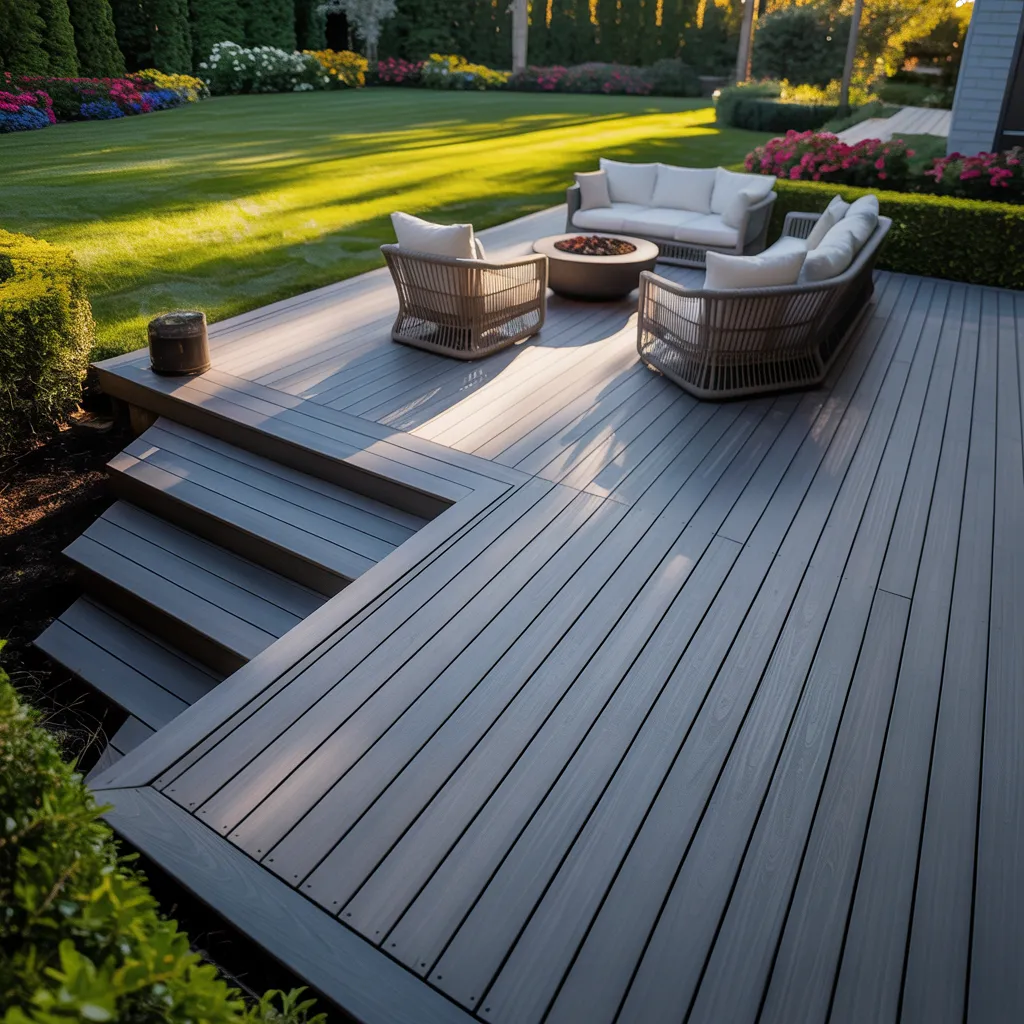
Why Your Deck Needs an Outdoor Kitchen
An outdoor kitchen turns a deck into an inviting social hub, enhancing both functionality and enjoyment. This feature enhances outdoor living experiences by facilitating smooth cooking and hosting in the outdoors. The benefit of having outdoor cooking amenities inspires more consistent social occasions, whether it's casual barbecues or formal dinner parties.
In addition, outdoor kitchens naturally combine the natural surroundings with culinary activities, fostering a one-of-a-kind ambiance that traditional indoor kitchens simply cannot offer. Households can strengthen their relationships through meal preparation while enjoying the sights and sounds of nature.
In addition, the addition of an outdoor kitchen can boost a home's appeal, making it an appealing feature for potential homebuyers. With ample space for food cooking, dining, and entertaining, an outdoor kitchen on a deck not only improves quality of life but also fosters togetherness and camaraderie among family and friends. Ultimately, the rewards of incorporating this feature are both short-term and enduring.
Must-Have Features for Your Outdoor Kitchen
A well-designed outdoor kitchen must feature key culinary equipment to enhance the overall dining experience. In addition, well-designed functional workspaces are crucial for seamless operation and convenience. Combined, these elements form a perfect harmony of convenience and functionality for passionate outdoor chefs.
Essential Cooking Appliances
When planning an outdoor kitchen, picking the necessary cooking tools is vital for both efficiency and satisfaction. A top-tier grill frequently serves as the focal point, providing flexibility for various cooking methods. Complementing the grill, a sturdy outdoor refrigerator provides quick access to refreshments and cooking supplies, enhancing convenience during gatherings. For those who enjoy versatility, a smoker can add unique flavors to recipes. Moreover, a sink with running water supports meal preparation and tidying, making the cooking experience seamless. Adding a side burner enables the preparation of sauces or side dishes without overwhelming the main cooking surface. Finally, a small outdoor oven can elevate baking options, making room for homemade pizzas or desserts. These appliances collectively enhance the outdoor cooking experience, rendering it both satisfying and streamlined.
Efficient Workspaces Design
Designing a efficient cooking space in an exterior kitchen is crucial for maximizing efficiency and enjoyment. A carefully planned configuration features key elements such as sufficient counter space for food preparation and serving. Installing a sink supports easy cleanup and enhances cooking efficiency. Storage solutions, like cupboards and shelving, are critical for keeping tools and ingredients tidy and easy to access. Moreover, careful positioning of cooking equipment, such as barbecue grills and smokers, provides a efficient workflow. Plan to include a shaded zone to shield cooks from outdoor conditions while working in the kitchen. Lastly, including an open-air bar or lounge area fosters community gathering, giving guests to gather and enjoy the culinary experience. Together, these features create an inviting and practical exterior cooking space.
Choosing the Right Grill for Your Space
Picking the right barbecue for an outdoor kitchen involves careful consideration of size and fuel type. The measurements of the grill must align with the space available, ensuring efficient use without cluttering the space. Additionally, the selection between charcoal, gas, or electric can significantly affect cooking style and convenience.
Grill Size Considerations
Selecting the appropriate grill size is essential for enhancing an outdoor kitchen space, as it guarantees both comfort and functionality during entertaining and cooking. A grill that is too small can restrict cooking options, leading to challenges when entertaining guests. Conversely, an oversized grill can dominate the space, making it feel cramped and less inviting.
When selecting the grill, one must take into account how many guests are typically hosted and the types of meals prepared. For compact family settings or intimate occasions, smaller models may be sufficient. Bigger households or those who entertain often could find greater value in larger grills featuring multiple cooking areas. In the end, the perfect grill should complement the overall design of the outdoor kitchen, providing a well-organized and functional outdoor cooking setting.
Fuel Type Options
Beyond grill size, the type of fuel plays an important part in determining the compatibility of a grill for an outdoor kitchen. Homeowners typically choose between propane, natural gas, charcoal, or electric grills, all of which offer their own distinct advantages. Propane grills are both portable and user-friendly, making them perfect for homeowners who value convenience. Natural gas grills demand a permanent hookup but ensure a reliable fuel source, doing away with the need to swap out tanks. Charcoal grills provide a time-honored flavor that many grilling fans enjoy, although they require more time and effort for heating. Electric grills provide a smoke-free alternative, suitable for smaller spaces. At the end of the day, the fuel type chosen should correspond to culinary preferences, spatial constraints, and overall lifestyle requirements.
How to Design Your Outdoor Cooking Space
Creating an outdoor cooking space necessitates thoughtful attention to multiple components to build a useful and attractive space. Initially, the design should facilitate seamless flow between preparation, service, and eating zones. An open design promotes connection between guests while minimizing congestion.
Next, selecting sturdy materials is critical, as the outdoor environment can be demanding. Climate-resistant surfaces and cabinets provide long-term use and effortless care.
Including sufficient lighting is crucial for evening gatherings, improving both safety and atmosphere.
In addition, adding storage options enables systematically arranged cooking essentials, ensuring the space remains clutter-free.
Ultimately, taking into account the distance from the home can enhance convenience for both cooking and cleaning. Combining style with usability will produce a unified space that encourages gathering and cooking inspiration, making outdoor cooking a delightful experience.
Best Appliances for Outdoor Cooking
An outdoor kitchen that is well-equipped enhances the cooking experience and elevates social gatherings. Essential appliances for outdoor cooking include high-quality grills, which serve as the centerpiece for barbecuing. Gas, charcoal, and pellet grills each offer unique flavors and cooking methods, catering to various preferences.
Outdoor ovens serve as another worthwhile enhancement, allowing for versatile cooking options, from preparing homemade pizzas to cooking succulent helpful guide roasts. Additionally, smokers can introduce bold, smoky aromas, appealing to barbecue enthusiasts.
Refrigeration units are vital for convenience, keeping ingredients fresh and beverages cool. Having a sink with running water further enhances the cooking process, making food preparation and cleanup more efficient.
To augment these features, side burners supply extra cooking space for side dishes and sauces, ensuring all dishes comes together all at once. In combination, these appliances not only boost functionality but also convert outdoor spaces into cooking destinations, exceptional for entertaining visitors.
Designing a Comfortable Outdoor Dining Space
Including cozy textiles, for example pillows and table linens, introduces warmth and sophistication. To build a welcoming atmosphere, carefully positioned garden lighting—for instance fairy lights or lanterns—can dramatically enhance the space for nighttime events.
Incorporating greenery with potted plants or hanging baskets introduces a natural element that enhances the overall environment. A well-chosen centerpiece, such as a vase of fresh flowers or seasonal decorations, can serve as a focal point.
In addition, evaluate the arrangement of the dining space, making sure it blends with the neighboring outdoor kitchen and entertainment spaces. This deliberate preparation confirms that every meal becomes a memorable experience.
How to Keep Your Outdoor Kitchen Appliances in Top Shape
Establishing an inviting outdoor dining environment inherently requires attention to proper upkeep of outdoor kitchen appliances. Routine upkeep ensures durability and optimal functionality. Cleaning grills following every use is absolutely necessary, removing grease and food particles to prevent flare-ups and rust. Equipment ought to be examined regularly for signs of damage and deterioration, ensuring that any faulty parts are substituted without delay.
When it comes to countertop surfaces, using a mild cleanser and a soft cloth can help avoid stains and preserve their shine. Additionally, outdoor refrigerators should be kept at the appropriate temperature, and drains must be cleared to avoid clogs. Covering appliances when not in use protects them from the elements, prolonging their lifespan.
Additionally monitoring gas and electrical connections consistently guarantees safe operation. By following these care practices, homeowners and families will enjoy their outdoor cooking spaces for the long term, elevating both cooking and entertaining experiences.
Creative Design Inspiration for Your Outdoor Kitchen
Exterior kitchen areas present a canvas for innovative design that can transform any backyard space. One popular idea is integrating a dual-purpose island, which serves as both a prep area and a dining space, facilitating smooth and enjoyable gatherings. Integrating organic elements, such as stone or wood, can establish a charming rustic aesthetic while harmonizing with the natural environment.
Adding an awning or pergola provides shade and comfort, elevating the overall outdoor experience. Another creative approach includes employing living walls or herb gardens for both aesthetic appeal and culinary convenience.
Regarding lighting options, look into elegant pendant lights or integrated LED strips that enhance ambiance while providing practical illumination. Moreover, incorporating smart technology, such as integrated speakers or exterior refrigerators, can elevate the functionality of the space. Ultimately, thoughtful additions express unique character, turning any outdoor kitchen into a one-of-a-kind meeting place for family and friends.

Frequently Asked Questions
What Are the Best Materials for a Durable Outdoor Kitchen?
Stone, stainless steel, and weather-resistant materials are ideal materials for outdoor kitchen durability. These materials endure severe weather conditions, prevent corrosion, and preserve visual attractiveness, providing a resilient and efficient culinary space in open-air surroundings.
How Do I Protect My Outdoor Kitchen From Weather Damage?
To safeguard an outdoor kitchen from environmental damage, homeowners should apply waterproof coverings, set up adequate drainage systems, choose rust-resistant materials, and consistently upkeep surfaces. These steps guarantee durability and performance regardless of outdoor conditions.
Can I Install an Outdoor Kitchen Myself?
Indeed, individuals can build an outdoor kitchen on their own, given that they have the essential tools and skills. Proper planning and adherence to local building codes are critical for a safe and successful setup.
What Permits Are Needed for Constructing an Outdoor Kitchen?
Local regulations frequently mandate permits for outdoor kitchens, including electrical, zoning, and building permits. It is important to check municipal requirements and potentially engage a qualified expert to ensure conformity with all applicable safety and legal standards.
How Should I Include Lighting in My Outdoor Cooking Setup?
To add lighting within an outdoor cooking space, one can install overhead fixtures, decorative string lights, and focused task lighting near food preparation areas, creating a brightly lit environment that improves both safety and atmosphere during nighttime gatherings.